
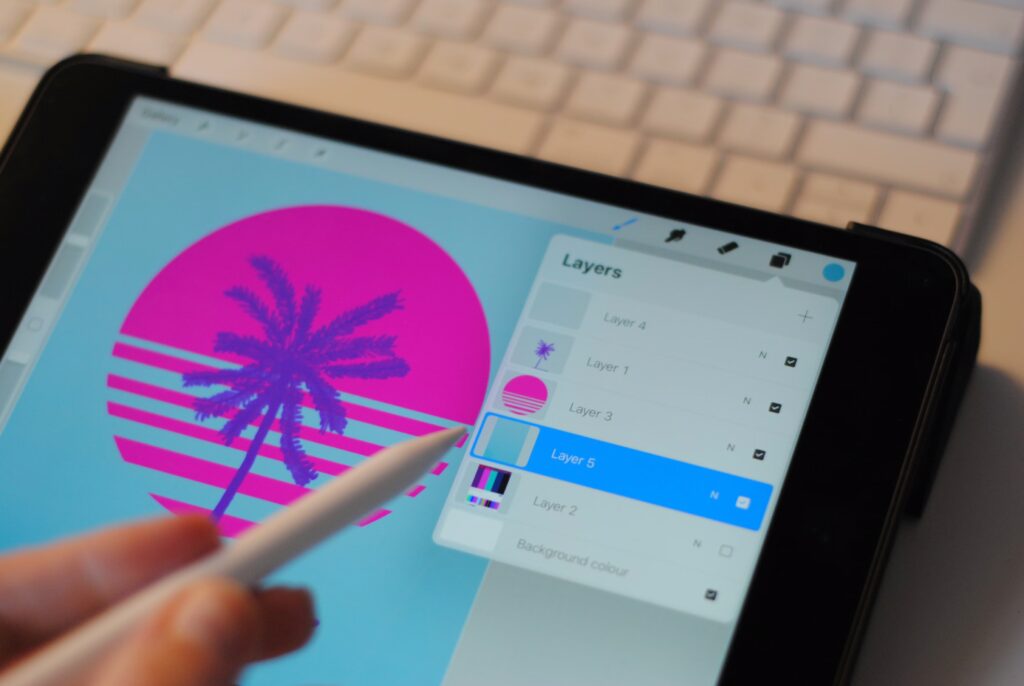
In today’s fast-paced digital world, having a unique illustration style can be a powerful differentiator for your brand. Whether you’re an emerging artist or a seasoned professional, discovering and honing a distinct visual identity is critical for standing out in a competitive market. This guide delves into essential strategies for developing an illustration style that captures your brand’s essence and resonates with your audience.
From understanding the significance of a unique style to experimenting with different mediums, each step in this journey requires thoughtful consideration. Explore how you can leverage artistic influences and modern techniques to create a style that not only defines your work but also boosts brand visibility and growth.
A distinct illustration style plays a crucial role in branding, serving as a visual embodiment of your brand’s values and personality. A unique style helps create a consistent brand image, making it easier for your audience to identify and connect with your products or services. For instance, a company like Vera Digital Media, which emphasizes creativity and modernity, benefits from illustrations that reflect these attributes. By establishing a recognizable style, you can enhance your brand’s memorability and foster loyalty among customers.
Distinctive illustrations can significantly enhance audience engagement by capturing attention and encouraging interaction. Illustrations that stand out not only make your content more visually appealing but also convey complex messages more effectively. For example, an illustrator with a bold and colorful style might draw in a younger audience, while a more minimalist approach could appeal to a professional demographic. Moreover, incorporating trends from resources like our article on graphic design trends ensures your style remains relevant and engaging.
Art history is a rich source of inspiration that can guide you in developing your unique style. Examining different art movements, such as Impressionism or Surrealism, allows you to draw from a variety of techniques and philosophies. By understanding these historical contexts, you can evaluate which elements resonate with your creative vision. For instance, an illustrator inspired by Art Deco might incorporate geometric patterns and bold color contrasts into their work, establishing a distinctive visual identity.
In today’s digital landscape, staying updated with modern techniques and trends is essential for maintaining a relevant illustration style. Leveraging contemporary tools and digital platforms allows you to experiment with new methods and integrate them into your work. Exploring the latest trends, as discussed in articles like our piece on graphic design trends, can help you identify innovative ways to express your brand’s narrative through illustration.
Choosing between digital and traditional mediums can significantly influence your illustration style. Digital tools offer unparalleled flexibility, allowing for easy edits and experimentation with different effects. They are ideal for creating precise, scalable designs. Conversely, traditional mediums like watercolor or charcoal provide a tactile quality and unique texture that digital art can struggle to replicate. Each medium has its own advantages and limitations, and experimenting with both can lead to a more comprehensive and versatile style.
Incorporating mixed media approaches can add depth and complexity to your illustrations, making them more engaging. By blending various materials and techniques, you can create visually dynamic pieces that capture your audience’s attention. For example, combining digital elements with hand-drawn textures can result in a unique aesthetic that highlights the strengths of each approach. This fusion not only enriches your style but also allows for greater creativity and experimentation.
To develop a consistent visual language, it’s important to establish a signature aesthetic that reflects your brand’s identity. This involves defining key characteristics such as color palettes, line quality, and recurring motifs. By consistently applying these elements across your work, you create a coherent style that becomes synonymous with your brand. For example, a signature aesthetic might include a muted color scheme and minimalist lines, which can help convey sophistication and elegance.
Ensuring consistency across various platforms is crucial for reinforcing your brand’s visual identity. Whether you’re publishing illustrations on social media, your website, or marketing materials, maintaining a unified style enhances recognition and professionalism. This consistency helps build trust with your audience, as they can easily associate your distinctive style with your brand’s message and values. By establishing clear guidelines for your illustrations, you can maintain a cohesive look that supports your overall branding strategy.
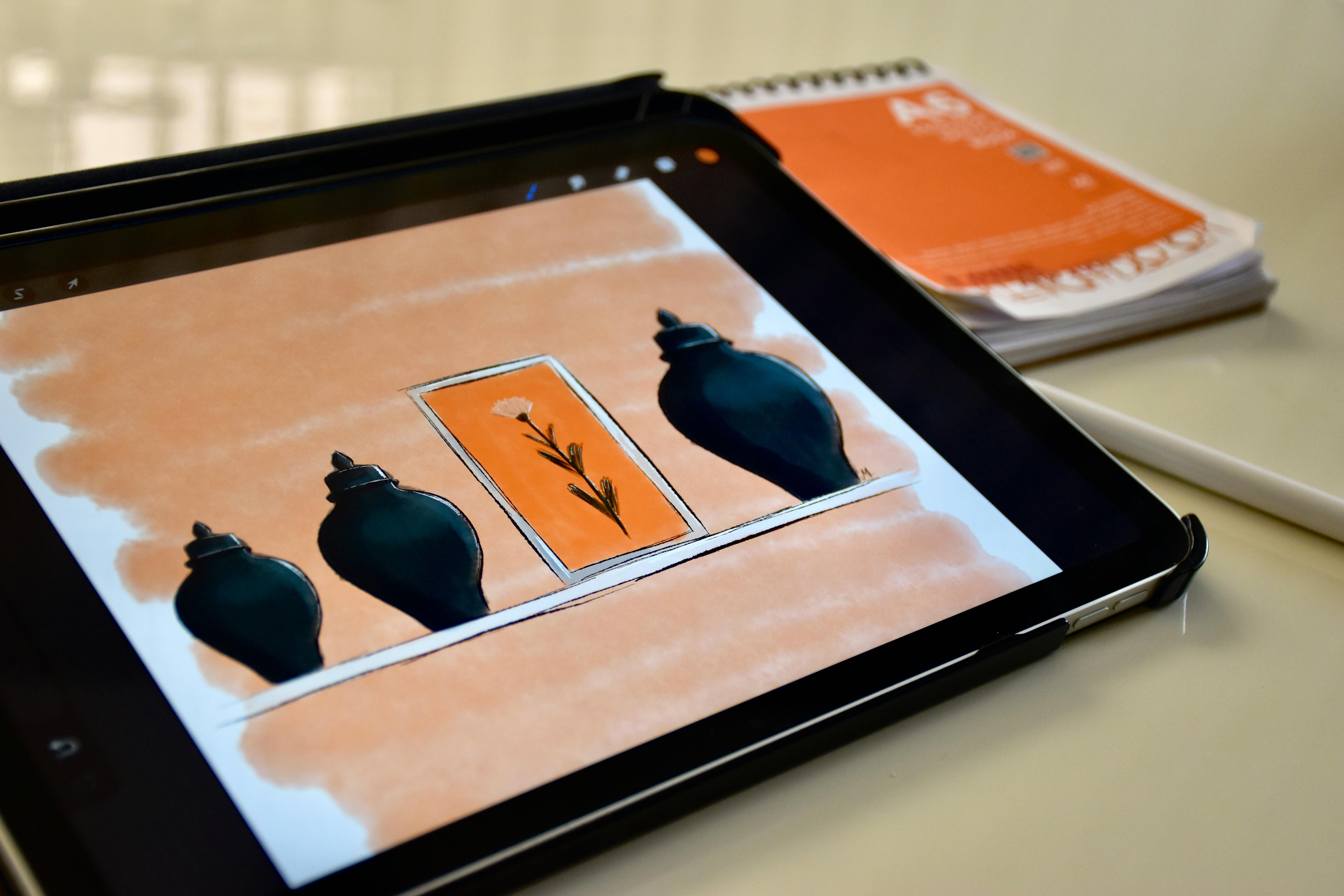
Gathering constructive feedback is essential for honing your unique illustration style. Start by sharing your work with a variety of audiences, including fellow illustrators, mentors, and even potential clients. Platforms like social media groups or creative forums can be excellent places to solicit feedback. Be clear about what type of feedback you are seeking, whether it’s on technical aspects or the overall concept. Ensure to ask questions that encourage detailed responses, such as “How does this color palette help convey the theme?” or “What emotions does this piece evoke for you?”
Once you have collected feedback, the next step is to apply it to your work. This involves making iterative improvements rather than overhauling your entire style based on a single comment. Focus on common patterns in the feedback received to prioritize changes. For example, if multiple people suggest a more dynamic composition, experiment with different layouts in your next few pieces. Document your progress and adjustments, as this will help you track how your style evolves over time. Don’t hesitate to revisit previous works and apply learned insights to see if they enhance the outcome.
A well-organized portfolio is crucial for presenting your unique illustration style. Start by selecting pieces that best represent your style and abilities. Ensure that your portfolio tells a coherent story; it should highlight your strengths and show a clear progression in your work. Consider including a mix of personal projects and commissioned work to showcase versatility. Use a clean, professional layout with consistent formatting to maintain focus on the illustrations. For tips on creating visually compelling presentations, check out our guide on effective visual techniques.
Identify and emphasize your signature projects within the portfolio. These are pieces that have received the most positive feedback, represent significant personal achievements, or align closely with your artistic goals. Provide context for each piece, such as the project’s purpose, challenges faced, and how it reflects your style. This not only helps potential clients understand your work but also demonstrates your ability to communicate visually. Consider linking to project details or related stories for deeper engagement.
Social media is a powerful tool for gaining visibility and promoting your illustration style. Platforms like Instagram, Behance, and Pinterest are particularly popular in the creative community. Regularly post engaging content that highlights your style, such as process videos, time-lapses, or before-and-after comparisons. Use relevant hashtags to increase discoverability and consider collaborating with other artists or taking part in online challenges to reach broader audiences. For insights into current trends that can boost your social media strategy, explore our article on the top graphic design trends of 2026.
Collaboration is a fantastic way to expand your reach and refine your style. Work with other creatives by joining group projects, art collectives, or even hosting joint webinars. These collaborations not only expose your work to new audiences but also provide opportunities to learn different techniques and perspectives. When collaborating, communicate clearly to ensure that your unique style is respected while also being open to new ideas and concepts. Document these collaborations in your portfolio to showcase your ability to work in diverse environments.
Successfully balancing your personal style with client requirements is key to thriving as a professional illustrator. Start by understanding the client’s brand identity and objectives. This can involve researching their industry and target audience, as well as discussing their vision in depth. Flexibility is crucial—while maintaining your signature style, be prepared to adapt elements such as color schemes or themes to better align with the client’s needs. This balance can be the differentiator in securing ongoing partnerships and building a robust client base.
Staying ahead of market trends can provide a competitive edge and help you adapt your style proactively. Follow industry reports, engage with trend forecasts, and attend creative conferences or workshops. Analyze how these trends can be integrated into your style without compromising its essence. For example, if minimalism is gaining popularity, explore how you can incorporate minimalist elements into your illustrations. Regularly updating your portfolio with trend-inspired works can attract clients looking for fresh, innovative designs.

Building a unique illustration style can be a long and arduous journey, especially for those who are new to the creative industry or are balancing multiple projects. Under certain circumstances, it might be more practical to explore alternatives to developing a personal style from scratch. Choosing the right alternative depends on your business needs, project timelines, and budget constraints. Here, we explore two viable options: collaborating with illustration agencies and employing stock art solutions.
Partnering with an illustration agency can be an excellent choice if your project requires a professional touch but lacks in-house expertise. These agencies offer access to a pool of skilled artists, each with a variety of styles and specialties. This option is particularly beneficial for larger projects that demand a cohesive visual narrative. When selecting an agency, consider factors such as their portfolio, client testimonials, and project timelines. A good example is when a company needs to rebrand and requires a unique set of illustrations aligned with current design trends.
However, there are pitfalls to watch out for. Be wary of agencies that provide a one-size-fits-all solution. It’s critical to communicate your brand’s unique needs and ensure the agency can tailor their approach accordingly. The potential for style mismatch is a common concern, but it can be mitigated by thorough communication and review processes.
For businesses with tighter deadlines or budgets, stock art can be a feasible alternative. Stock art platforms offer a vast array of pre-made illustrations which are ready for immediate use. This alternative is particularly advantageous for businesses that need quick, cost-effective solutions without the need for exclusive rights. Using stock art is most effective for projects with a limited lifespan or where originality is not the primary focus, such as internal presentations or social media content.
The main pitfall of stock art is the lack of exclusivity, as these illustrations can be used by anyone who purchases them. This could potentially lead to brand dilution if the same artwork is widely used by multiple parties. To navigate this, businesses can combine stock elements with custom design work to create a semi-unique visual identity.
Considering these alternatives can offer practical solutions for illustration needs without the time investment required to develop a unique style. For a deeper dive into how visual choices can enhance your digital content, Vera Digital Media offers insights and solutions that cater to your brand’s specific requirements. Visit Vera Digital Media for more information on evolving your brand’s visual identity.