

In today’s rapidly evolving digital landscape, businesses are constantly seeking innovative ways to enhance their online presence. As technology advances, web design is at the forefront of this transformation, offering diverse options for creating visually appealing and functional websites. From human-centric designs to AI-generated templates, understanding which path to take can significantly impact your brand’s growth and user experience.
In this article, we’ll look into the key differences between human-touch web design and AI templates, helping you make informed decisions that align with your business objectives.
The web design landscape in 2026 is characterized by a focus on user engagement and immersive experiences. Designers are increasingly prioritizing responsive designs that adapt seamlessly across devices, emphasizing mobile-first strategies as mobile web usage continues to rise. Additionally, the integration of augmented reality (AR) and virtual reality (VR) into web designs is becoming more common, allowing brands to offer interactive experiences that captivate users.
Another significant trend is the use of bold and experimental typography to create unique brand identities. This approach helps businesses stand out in a crowded digital space and conveys their brand message effectively. As sustainability becomes a global priority, eco-friendly design practices are also gaining traction, incorporating sustainable web hosting and energy-efficient coding.
AI is revolutionizing web development by offering tools that automate routine tasks and enhance productivity. AI-driven platforms can generate design templates, optimize layouts for better user experience, and even predict user behavior to personalize content delivery. This technology empowers designers to focus on more complex creative tasks while ensuring that websites remain innovative and efficient.
Despite the advantages, AI-driven web development has its challenges. Over-reliance on AI can result in generic designs that lack personality and fail to resonate with target audiences. Therefore, it’s crucial to balance AI capabilities with human creativity to achieve the best results. For more insights into leveraging AI in creative production, explore our strategies for captivating video content.
Human-touch web design offers a level of personalization and customization that AI templates often lack. Designers can create websites that reflect a brand’s unique identity and values, allowing for a tailored user experience that engages and converts visitors. This approach considers the intricacies of a brand’s target market, ensuring that the design aligns with user expectations and enhances brand loyalty.
Customization extends beyond aesthetics to functionality. Human designers can incorporate specific features and tools that cater to a business’s unique operational needs, providing an experience that is both intuitive and effective. This personalized approach is particularly valuable for businesses aiming for a distinctive digital presence that AI templates might not fully deliver.
The inherent strength of human designers lies in their ability to address complex problems with creative solutions. Unlike AI, human designers can consider context, history, and emotional nuances when crafting a website. This ability to think outside the box is crucial when dealing with atypical design challenges or when innovating new ways to engage users.
For example, a company aiming to break into a new market segment might require a strategic overhaul of its web design to appeal to a different audience. Human designers can assess the brand’s goals and creatively resolve potential obstacles, ensuring that the website not only looks appealing but also performs effectively in meeting business objectives.

AI-driven templates excel in offering unparalleled efficiency and speed. Unlike traditional design processes that can take weeks or even months, AI tools can generate a website’s foundational design in a matter of hours. This rapid turnaround enables businesses to launch their digital presence quickly, which is particularly beneficial in fast-paced industries or when time-sensitive opportunities arise.
The efficiency of AI templates also extends to their ability to quickly update and adapt designs based on real-time analytics. This feature ensures that websites remain relevant and optimized, catering to ever-changing user preferences and market trends without the need for extensive manual input.
For many businesses, particularly startups and small enterprises, budget constraints are a significant consideration. AI-driven templates offer a cost-effective solution, providing professional-grade designs at a fraction of the cost of bespoke human-touch web design. This affordability allows businesses to allocate resources to other critical areas such as marketing or product development.
However, while AI templates offer financial savings, it’s important to weigh these benefits against the need for a unique brand representation. Companies must assess whether the potential trade-off in creativity and customization is worth the cost savings, especially if their market position relies heavily on standing out from competitors.
Businesses with unique branding needs or complex messaging strategies should consider human-touch web design. This approach allows for a nuanced representation of the brand, ensuring that every design element aligns with the company’s ethos and goals. By working closely with designers, brands can craft a website that communicates their story effectively and resonates deeply with their audience.
For instance, a luxury brand seeking to convey exclusivity and sophistication will benefit from bespoke design elements that reflect these attributes, something that generic AI templates might not capture. Human designers can tailor every aspect of the web design to reinforce the brand’s positioning and appeal to its target demographic.
In industries where personal relationships and client interactions are pivotal, human-touch web design can make a significant difference. A personalized website can reflect the company’s commitment to its clients, showcasing testimonials, personalized content, and interactive features that enhance engagement and build trust.
For example, a consultancy firm might prioritize detailed case studies and personalized client stories to demonstrate its track record and expertise. A human designer can help create an online presence that encourages potential clients to connect on a personal level, fostering relationships that are integral to the business’s success.
When speed is of the essence, opting for AI templates can be advantageous. These templates are pre-designed and require minimal customization, enabling businesses to launch their websites quickly. This makes them particularly suitable for startups and companies looking to establish an online presence rapidly. However, it’s crucial to ensure that the template aligns with your business objectives and brand identity. AI templates work best for straightforward projects with a clear-cut vision and minimal need for unique features.
For instance, a new e-commerce store might choose an AI template to quickly set up a functional site, focusing initially on getting products to market. Yet, an over-reliance on these templates might lead to a generic appearance, which could be mitigated by incorporating elements of graphic design trends to add a touch of individuality.
AI templates offer a cost-effective solution for businesses with limited budgets. The absence of extensive development and design expenses allows small businesses and startups to allocate funds to other critical areas, such as digital marketing or inventory. This approach can be particularly beneficial for initial phases where cost control is pivotal.
However, it’s essential to be aware of the limitations in customization and functionality. While cheaper upfront, businesses must weigh these against the potential costs of future upgrades and redesigns if their needs evolve. A strategic approach could involve starting with AI templates while planning for periodic updates that incorporate modern design enhancements.
A thorough understanding of your business goals is crucial when deciding between human-touch web design and AI templates. If your aim is to build a brand with a strong visual identity that stands out, investing in bespoke design might be more beneficial. Conversely, if the goal is to establish a digital footprint quickly, AI templates could suffice. Consider future growth and scalability; a design that suits today might not accommodate tomorrow’s ambitions.
For example, a business focusing on creative content, like Vera Digital Media, might prioritize a distinctive design that communicates its ethos effectively. In contrast, a local bakery looking to start online orders might prioritize functionality over flair initially.
Resource availability, in terms of both human capital and technical skills, plays a significant role in this decision. Smaller teams or those without dedicated design expertise may struggle with custom web design and could benefit from the simplicity of AI templates. However, leveraging external support from a creative digital agency can bridge this gap, offering tailored solutions without the need for in-house expertise.
Assess your team’s capability to manage and customize a template. If the skills are lacking, the savings on template costs might be offset by the need for external assistance. Agencies like Vera Digital Media can provide the necessary support to enhance and tailor these templates to better fit brand requirements.
One of the significant drawbacks of relying solely on AI templates is the limited customization they offer. These templates are designed to cater to a broad audience, leading to a lack of flexibility in aligning with specific brand needs. This can result in a website that looks generic and fails to differentiate itself from competitors.
Businesses must recognize the trade-off between convenience and uniqueness. While AI templates provide a quick start, ensuring that the customization options offered are sufficient for your brand’s nuances is crucial. Over time, opting for a more personalized design approach can be more rewarding both in terms of brand perception and customer engagement.
AI templates often overlook the unique elements that define a brand. A generic design may not convey the personality and values that make a brand distinctive, potentially leading to a disconnect with the audience. This risk is particularly significant for industries where brand identity is a key differentiator.
For example, a tech startup might lose its innovative edge if its website mirrors countless others using the same AI-generated design. Therefore, injecting a human touch, whether through tailored content or unique visual elements, is essential to maintaining brand integrity and fostering a deeper connection with the audience.
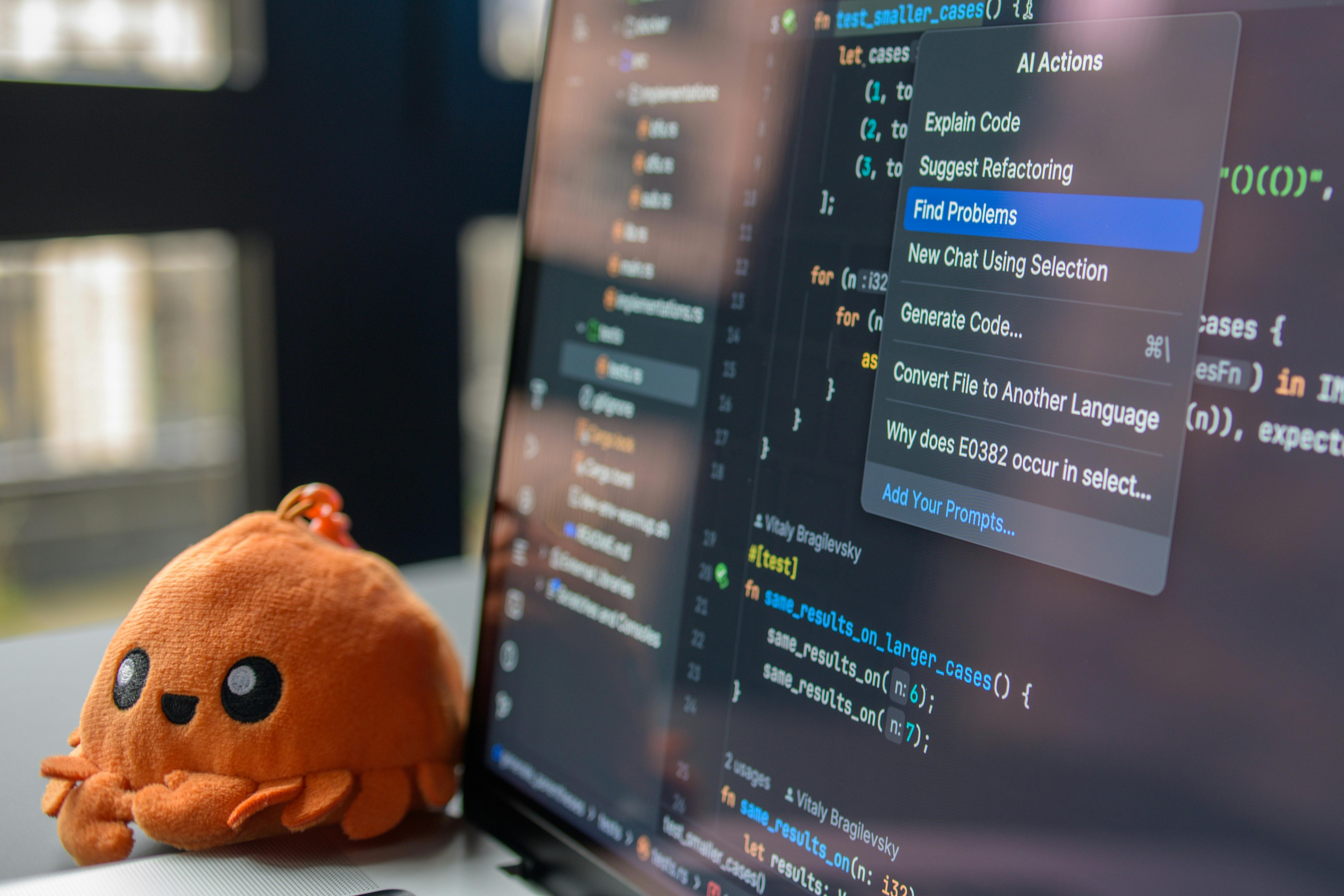
Incorporating custom graphic design into AI templates can elevate a website from ordinary to extraordinary. Custom graphics help communicate brand messages more effectively and can significantly improve user engagement. By integrating unique design elements, businesses can maintain the quick deployment advantages of AI templates while adding a personalized flair.
Agencies like Vera Digital Media excel in blending AI efficiency with human creativity, ensuring that the resulting website reflects the brand’s core values and aesthetics. By leveraging professional graphic design services, companies can enhance their online visibility and leave a lasting impression on visitors.
Adding brand stories to a website can transform it from a static digital space into a dynamic storytelling platform. Human-crafted narratives and compelling content can enrich AI template designs, providing depth and context that engage and resonate with users. This approach not only enhances user experience but also reinforces brand loyalty.
Businesses should consider using storytelling to highlight their journey, values, and mission. By authentically connecting with audiences, brands can differentiate themselves in a crowded marketplace. Collaborative efforts with creative agencies can ensure these stories are woven seamlessly into the digital experience, maximizing impact and engagement.
Human-touch web design embraces personalization and creativity that AI templates often lack. For instance, a local bakery website can use unique illustrations and storytelling to showcase its history and personality, making it more relatable to the community. Authentic visual elements and narrative-driven content create connections that go beyond standard design templates. This approach is especially effective for small businesses that thrive on local engagement.
Another example is a community-driven non-profit organization that uses human-touch design to convey its mission and impact through custom graphics and impactful stories. This level of personalization helps build trust and encourages user interaction, unlike AI-generated templates that may not fully capture the organization’s ethos.
Incorporating human-touch design requires understanding the audience’s needs and preferences. It’s essential to maintain a balance between aesthetics and functionality, ensuring the website is both visually appealing and easy to navigate. Businesses can evaluate whether they need a custom design approach based on their unique identity and goals.
Consider a local craft store that decided to invest in a human-touch design for their website. They focused on showcasing their diverse range of products through custom photography and engaging video content. By incorporating a user-friendly interface and personalized content, the craft store experienced a 30% increase in online sales within six months. This success was attributed to the website’s ability to reflect the store’s unique brand identity and connect with the target customer base.
To replicate this success, small businesses should consider investing in custom visuals and content that tell their brand story. Leveraging platforms like video production can further enhance user engagement and convey product value effectively. This strategy underscores the importance of creative elements in driving brand growth and visibility.
At a boutique digital agency, the decision to use a human-touch approach transformed their online presence. By integrating custom animations and bespoke graphic elements, the agency was able to highlight their expertise in a way that resonated with potential clients. Over a year, they saw a 50% increase in client inquiries, demonstrating the power of a well-crafted, personalized web experience.
This case study illustrates the significance of aligning web design with a brand’s core values and services. By prioritizing creativity and authenticity, agencies can differentiate themselves from competitors who rely solely on AI-generated templates. Collaboration with a digital media partner can provide the expertise needed to achieve such results.
The future of web design is moving towards a harmonious blend of AI and human creativity. As AI technology advances, it can handle repetitive tasks, allowing designers to focus on innovative aspects. The key is to leverage AI for efficiency while ensuring human input drives creativity and personalization.
For example, AI can assist in data analysis to tailor user experiences, but human designers are crucial in crafting the visual narrative that resonates with audiences. This synergy can result in websites that are not only functional but also emotionally engaging.
By 2030, one predicted trend is the increasing use of AI in creating adaptive designs that respond to user behavior in real-time. This technology allows for dynamic content that changes according to user interaction, providing a highly personalized experience. Another trend is the integration of virtual and augmented reality elements, offering more immersive ways to engage with users.
Businesses should prepare to embrace these trends by investing in technologies that enhance interactivity and personalization. Staying updated with evolving digital experiences can position brands as leaders in their industries.
The future presents numerous opportunities for collaboration between AI and human designers. By combining AI’s data-driven insights with human creativity, businesses can create unique, personalized web experiences. This collaboration can result in innovative solutions that push the boundaries of traditional web design.
To effectively harness these opportunities, brands should foster a culture of continuous learning and adaptation. Encouraging teams to experiment and integrate new technologies can lead to groundbreaking designs that capture and retain user interest.
In summary, the evolution of web design lies in the synergy between technology and human insight. By embracing both AI capabilities and creative intuition, businesses can create compelling digital experiences that stand out in a competitive market.